NAS server – private cloud at home. Is it worth it?
The cloud market is developing extremely rapidly. Half of all companies worldwide store their data in the cloud, and by 2025, as much…
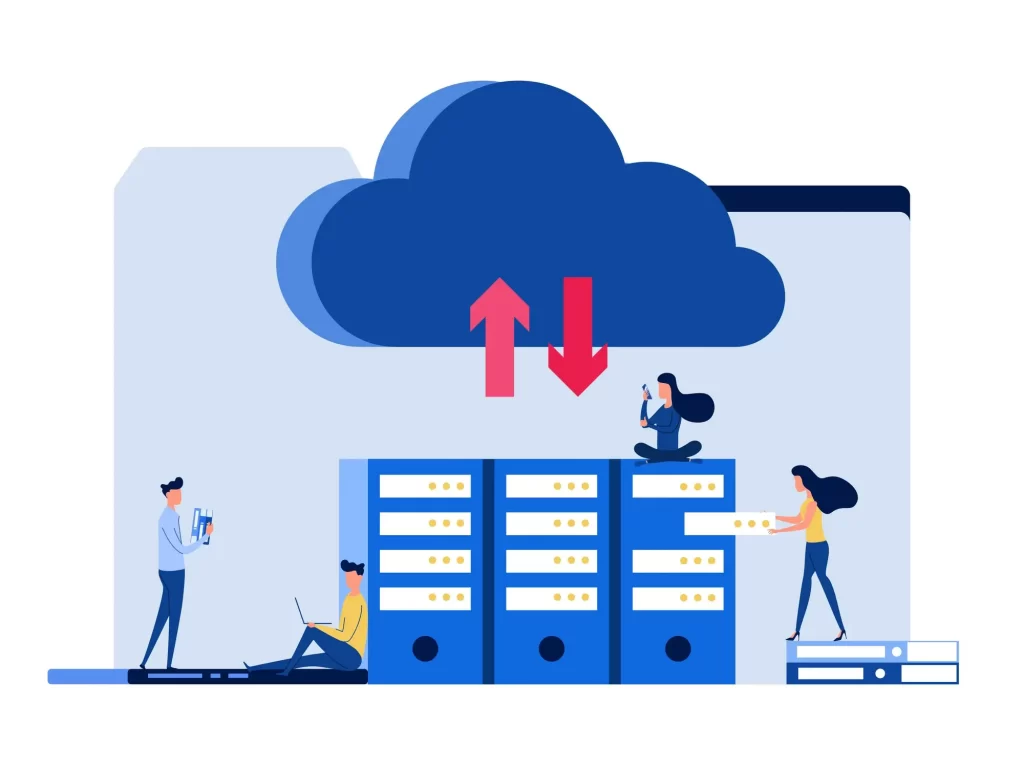
The cloud market is developing extremely rapidly. Half of all companies worldwide store their data in the cloud, and by 2025, as much as 100 zettabytes (that is, 100 billion terabytes!) of data will be stored on cloud servers. Information can be stored in either a public or private cloud.
The latter option can be enabled by a NAS server, which allows businesses to gain convenient access to large amounts of data at any time. Find out what NAS is and whether it is worth creating your own cloud using this technology.
What is a NAS server?
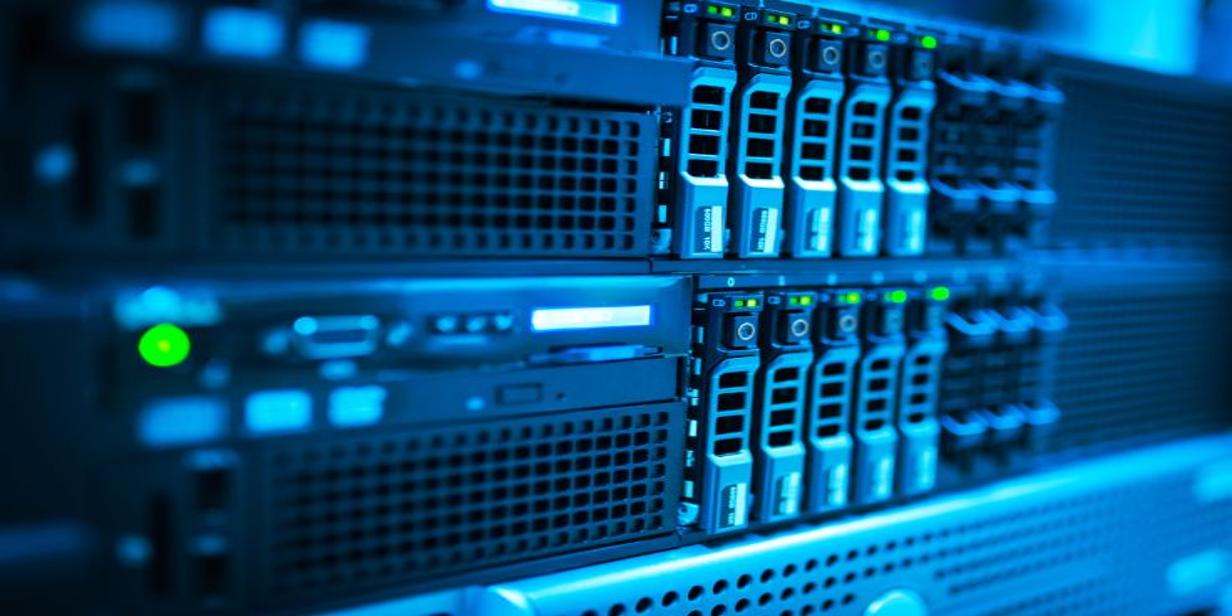
A NAS (Network Attached Storage) server is a device designed to store and share rapidly growing amounts of data. Its main component is a hard drive that is connected directly to a router. This allows data to be stored on the network and encrypted so that it can only be accessed by authorized devices.
NAS servers support network storage containing shared media libraries. This makes it possible to create a private cloud where users can store files, share documents, create backups, and access resources. As a result, users can access the server from anywhere in the world, even when they are not physically near the device.
A NAS server can be used both by individuals and large organizations. In fact, anyone who manages a significant amount of data can make use of a private cloud. The most popular applications of NAS servers include:
- creating a private cloud;
- connecting devices operating within a given network;
- playing multimedia files stored on the NAS server;
- creating and storing backups;
- storing and sharing files;
- recording video from surveillance cameras.
Public cloud and private cloud
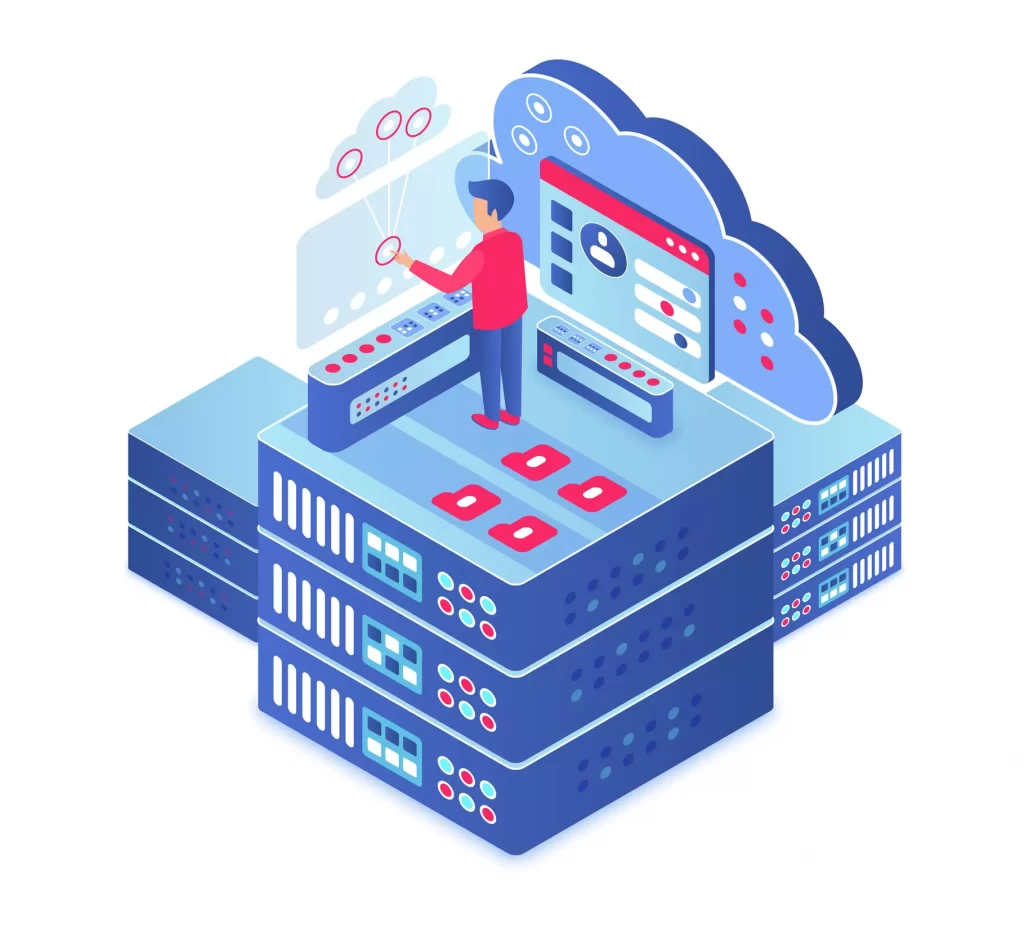
Before deciding how to store your data, it is worth familiarizing yourself with the specifics of public and private cloud solutions.
Public cloud
A public cloud is a cloud service offered by providers over the public Internet. The entire infrastructure (drives, hardware, and systems) is located at the service provider’s facilities. Examples of such solutions include Microsoft Azure, Google Cloud Platform, and Amazon Web Services. Neither NAS servers nor public cloud services have a fixed price. You usually pay based on actual usage, while the cost also depends on the specifications, number of users, and applications. If you do not need to store large amounts of data, a public cloud may be a better option because there is no initial fee or need to invest in hardware (server, drives, etc.).
Moreover, service providers are subject to numerous regulations, audits and security certifications. They most often hold SOC (1, 2, 3), SSAE 16, ISO/IEC 27001, ISO/IEC 27017 and ISO/IEC 27018 certifications. Despite this, data may still fall victim to a skilled hacker or human error. What is more, improper cloud configuration can result in higher usage costs and a lower level of security. That is why it is important to choose a reliable and trustworthy cloud services provider.
Private Cloud
If a company stores large amounts of data (at least several dozen terabytes), the optimal solution may be to store files on a private NAS server. Purchasing the router and hard drives themselves can be more cost-effective than paying a monthly fee to a public cloud service provider.
Contrary to popular belief, NAS servers are relatively easy to use. They come with pre-installed software in the form of an intuitive application that makes configuring and operating the servers easier. This allows users to easily store any amount of data and access it regardless of their location.
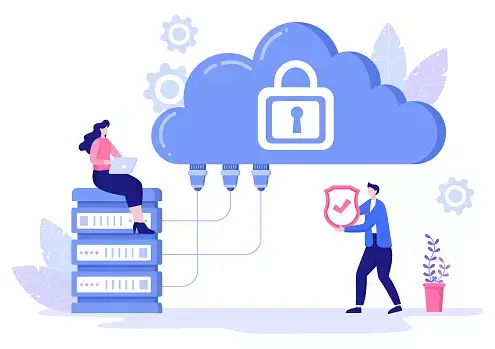
Highly sensitive data is better kept on private servers. NAS devices offer digital security features and data encryption, making it more difficult for information to be stolen. In addition, users can manage the drives at any time.
Advantages of using a NAS server
NAS servers are an excellent solution for large companies and corporations, as well as micro-enterprises and individual users. What are the main advantages of NAS?
Convenience
NAS servers are primarily very convenient – they improve the comfort of working with and storing data. By connecting the drives to the local network, documents can be easily transferred between devices and accessed from any authorized device. This allows companies to work with large amounts of data quickly and efficiently, including when working remotely. Individual users, on the other hand, can quickly transfer files (photos, videos) to the server, freeing up space on their phones.
Versatility
NAS devices are multifunctional. In addition to their primary function of storing data in a private cloud, they can serve as a media library, VPN server, web server, or even a mail server. Before investing in a NAS, however, it is worth checking whether the specific model supports the required functions.
Plenty of storage space for files
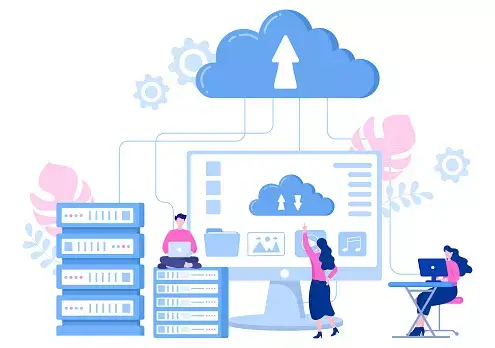
When using a NAS server, you have virtually unlimited possibilities. You can expand the capacity of your private cloud, as most NAS devices have dedicated bays for even several dozen drives, meaning the total capacity can reach several hundred terabytes.
Security
When storing data, security is crucial. With NAS servers, information is encrypted, and only selected devices connected to the network have access to the resources. What is more, as the network administrator, you can define permissions and manage data. You can hide files, share specific directories with a particular device, and quickly restore a backup.
How to configure a NAS server?
To create a home private cloud using a NAS server, you need:
- a NAS server;
- hard drives;
- a device with a network card that you can connect to the NAS system.
First, you need to connect the NAS server to the Internet through a router. The next step is to configure the device and assign the appropriate permissions. At this stage, you can define access to specific resources, specify user roles, etc.
Our specialists provide comprehensive configuration and management of a private cloud on a NAS server. This means you don’t have to worry about the process.
Summary
If you need a secure way to store large amounts of data, a private NAS server will be an excellent choice. With it, you can configure a private cloud that is secure, scalable, and exceptionally convenient. If you would like to learn more about NAS servers, contact us – our specialists will provide you with additional information and help you implement the solution.