Renting servers: the golden mean between control and flexibility
Server rental is a solution that is increasingly becoming part of the development strategies of companies looking for stable and efficient IT infrastructure….
Server rental is a solution that is increasingly becoming part of the development strategies of companies looking for stable and efficient IT infrastructure. Although the market is full of proposals to migrate to the cloud, in practice, many businesses prefer to have full control over their environment, without being forced into predefined models and limitations. This is why regular maintenance and hardware upgrades are becoming so important, as they make it possible to maintain high standards of security and data availability over the long term.
Maintenance and upgrades: why even new systems are not maintenance-free
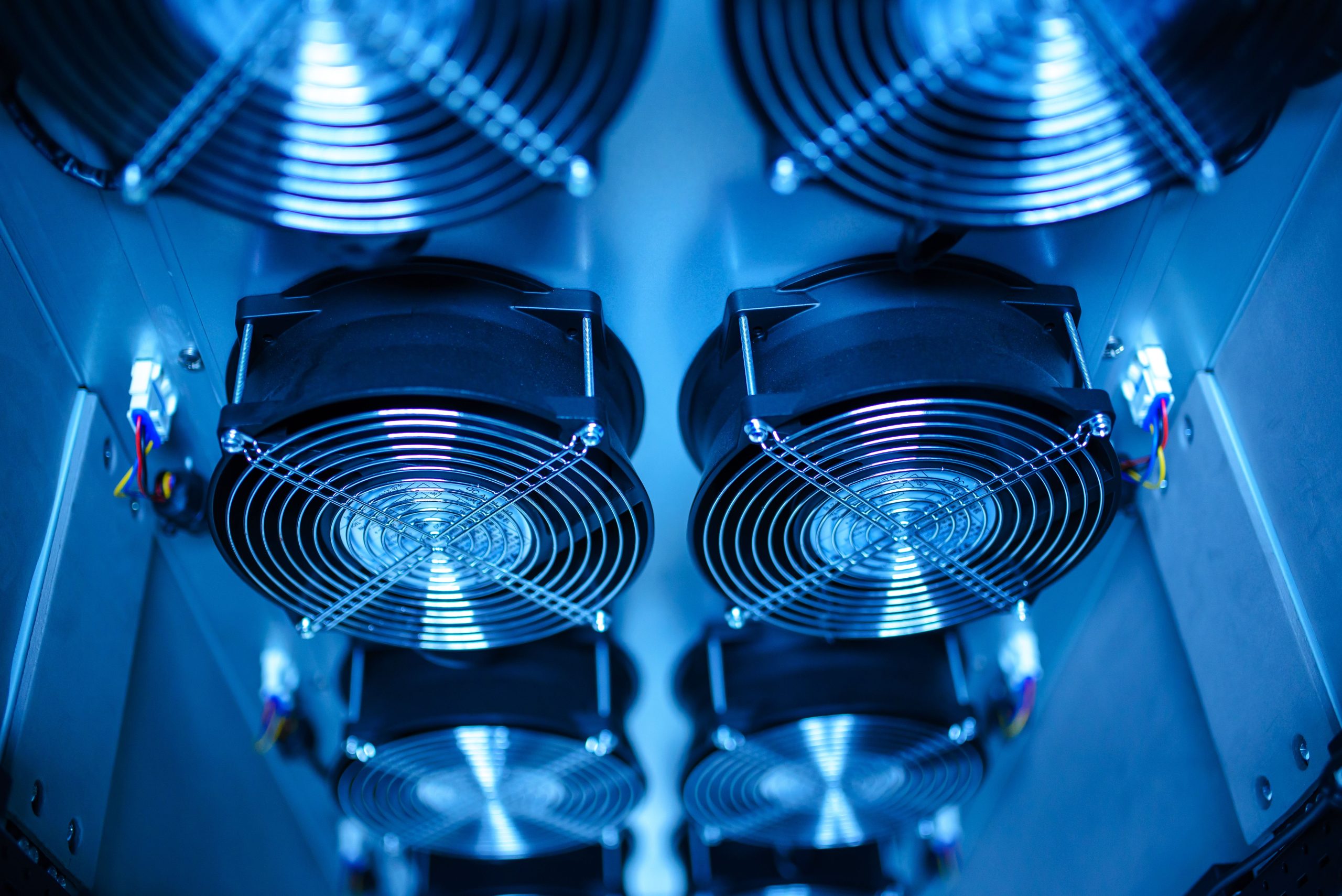
For years, I have emphasized that no technology is completely maintenance-free. Even the most modern components require periodic inspection, cleaning, or replacement of key elements. Firmware and drivers should be updated, while internal cooling components should be checked for performance. Without these measures, even the best system can unexpectedly fail, exposing the company to downtime and the loss of valuable data. This applies to physical servers stored at the company’s premises, colocated in data centers, as well as those rented from hosting service providers.
One of the most common dilemmas is choosing between colocation and server rental. Colocation allows companies to place their own hardware in a professional data center that provides advanced cooling systems, support in the event of a failure, and appropriate physical security measures. This option can be more advantageous than popular cloud solutions, especially when a company values full control over server configurations, greater cost predictability, and no need to adapt to predefined limits. Unfortunately, it also involves the need to own and independently service the hardware, which generates additional expenses for maintenance and component upgrades.
Server rental: the golden mean between control and flexibility
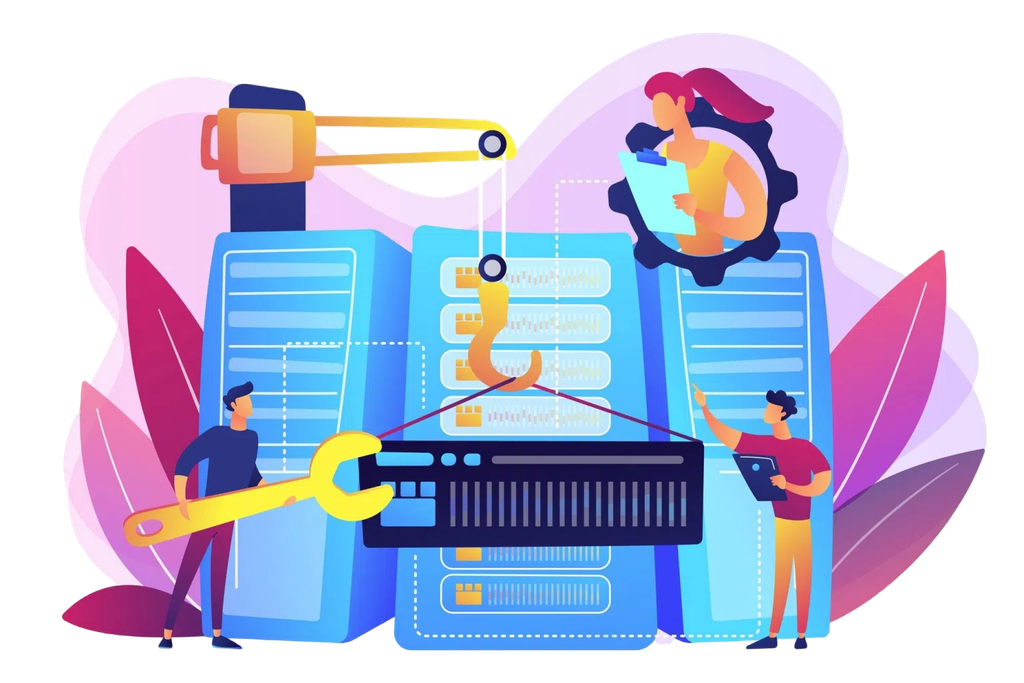
Server rental, especially dedicated servers, is often seen today as the golden mean for businesses that need stable, secure, and easily scalable infrastructure without investing large amounts of money in hardware upfront. Providers of such services typically take on the burden not only of purchasing the servers, but also of maintaining them, which means that in the event of any failure, they quickly replace damaged components or carry out necessary upgrades. As a result, the company can focus on its services and customers instead of worrying about hardware infrastructure. At the same time, rented servers are housed in highly secure data centers, which means that the level of security and availability can be significantly higher than in a typical company headquarters.
It is also important that server rental is flexible – at any time, the configuration can be changed, processor and memory resources or storage space can be increased, adapting them to current needs. This is an advantage even over colocation, because there is no need to purchase additional components every time or wonder whether the existing server will fit in a given rack and whether there will be enough power available for it. Meanwhile, the cloud, although tempting with its promise of simplicity, often turns out to be a solution with many hidden costs or configuration limitations, which in the long run can be less cost-effective for a growing company.
Backup and long-term cost-effectiveness: the key to secure and scalable infrastructure
An important part of taking care of infrastructure is also properly securing data, which is supported by regular backups. In the server rental model, it is often easier to implement internal and external backup solutions, using native tools provided by the operator or turning to open technologies that offer high scalability and a transparent licensing policy. In this way, even if a failure occurs, it is enough to use the latest backup to quickly restore services. It is also worth remembering that both in colocation and with rented servers, there is always the possibility of synchronizing with additional locations for security purposes.
The issue of cost-effectiveness and long-term development also often arises. Although colocation guarantees full control over the hardware, in practice it can be less convenient when a company is growing dynamically and needs to regularly update server specifications. In the cloud, on the other hand, it is easy to encounter cost traps, as providers may charge additional fees for data transfer or the use of advanced security features. Renting servers makes it possible to avoid many of these dilemmas by providing solid support, scalability, and clear billing terms.
Choosing a solution for long-term stability: colocation or server rental?
Ultimately, every business must independently define which criteria are most important to it. For some, full freedom to customize the hardware configuration (colocation) will be key, while for others, the lack of need to invest in machines and worry about their maintenance (server rental) will be more important. Increasingly, however, the latter option is gaining an advantage in the eyes of business owners looking for simplicity and fast operation. What remains essential for all solutions is proper maintenance, ongoing updates, and regular security testing. Without this, even the best infrastructure can eventually become a bottleneck leading to downtime or data loss.
A company’s long-term development perspective requires looking at infrastructure from many angles – performance, security, flexibility, and costs. Ensuring the highest quality of services often relies on server rental because it allows for maintaining a balance between full control and not having to worry unnecessarily about the physical condition of the hardware. A properly implemented hosting model, enhanced with regular upgrades and maintenance, provides the stability expected by both internal IT departments and customers or business partners.
Summary
Let us therefore make sure that our infrastructure does not become a bottleneck to growth and that our servers, regardless of the chosen model, are always ready, secure, and up to date. With this approach, we will gain not only peace of mind and confidence in business continuity, but also a certain competitive advantage that will quickly translate into tangible business benefits.